
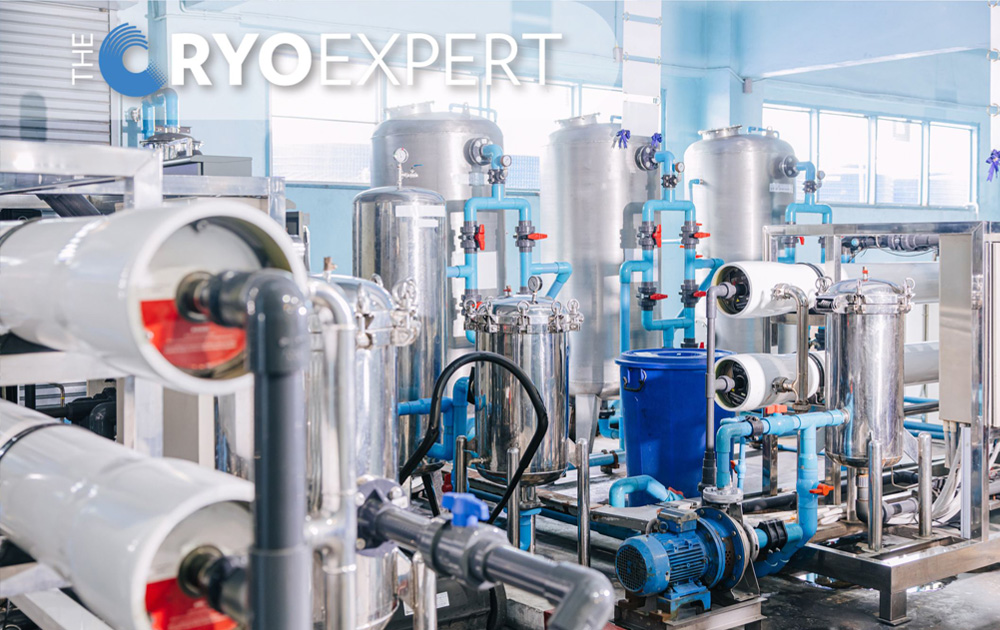
When you put together a Cryogenic Skid, you’re not just connecting parts – you’re creating a complete system that works smoothly. This means combining all the mechanical, electrical, and control parts into one unit that makes sense. So, how well these parts are integrated affects the whole project timeline, how easily it’s set up, and how reliably it runs.
Cryogenic Skid Integration: Mechanical Interfaces
First, engineers must define mechanical interfaces at an early stage. These interfaces determine how equipment connects and performs under operating conditions.
Key parameters include:
- Nozzle orientation, size, and pressure rating
- Structural loads and support conditions
- Thermal expansion allowances
When things aren’t lined up right or can’t move freely, it can put a lot of stress on the equipment. This can cause all sorts of problems for the people running it, like leaks, damage to the machinery, or issues with getting everything installed correctly.
Cryogenic Skid Integration: Electrical Interfaces
In addition, electrical integration extends beyond simple power supply. Engineers must define clear electrical boundaries to avoid site modifications.
Specifically, they address:
- Voltage levels, frequency, and load distribution
- Earthing systems and hazardous area compliance (ATEX/IECEx)
- Cable routing and termination philosophy
Having a clear plan for the electrical work helps to avoid delays and makes the installation process go more smoothly.
Cryogenic Skid Integration: Control Interfaces
Furthermore, control integration often represents the most critical aspect. Engineers must ensure compatibility between skid automation and plant systems.
Typically, this includes:
- Communication protocols (Modbus, Profinet, etc.)
- Signal mapping and I/O lists
- PLC logic boundaries between skid and plant DCS
However, missing or unclear definitions create major commissioning risks. Therefore, engineers must validate control interfaces early in the project.
Plug-and-Play Philosophy in Cryogenic Skid Integration
To improve efficiency, modern designs follow a plug-and-play philosophy. Engineers maximize prefabrication and minimize site work.
As a result, they deliver:
- Factory-assembled and tested systems (FAT)
- Pre-wired and pre-instrumented skids
- Faster installation and commissioning
Ultimately, this approach reduces uncertainty and accelerates startup.
Design Insight
Most problems that come up in projects are because of gaps in how different parts work together, not because the equipment fails. So, if we define and check how these parts work together early on, we can cut down on costs and risks that might throw off our schedule.
Takeaway
Ultimately, Cryogenic Skid Integration requires:
- Precise mechanical interfaces
- Clearly defined electrical scope
- Robust control architecture
- Effective plug-and-play design
So, when we think about integration, it’s not just something we add on at the end. It actually changes the different parts into a system that works well and gets the job done.

References and further reading
- European Industrial Gases Association (EIGA) — safety and standards publications
- International Institute of Refrigeration (IIR)
- Linde Engineering — air separation and liquefaction technology
- Chart Industries — cryogenic equipment and storage systems
Continue reading on The Cryoexpert
- Cryogenic Process Control and Automation
- Cryogenic Tank Pressure Control
- Cryogenic Compressors
- Cryogenic Valves and Instrumentation
- Cold Box Design Principles
Working on a cryogenic project?
Get expert engineering support for ASU, cryogenic storage, vacuum insulated piping, vaporization and regasification projects — from feasibility studies to commissioning. Tell us about your project and get a response within one business day.