
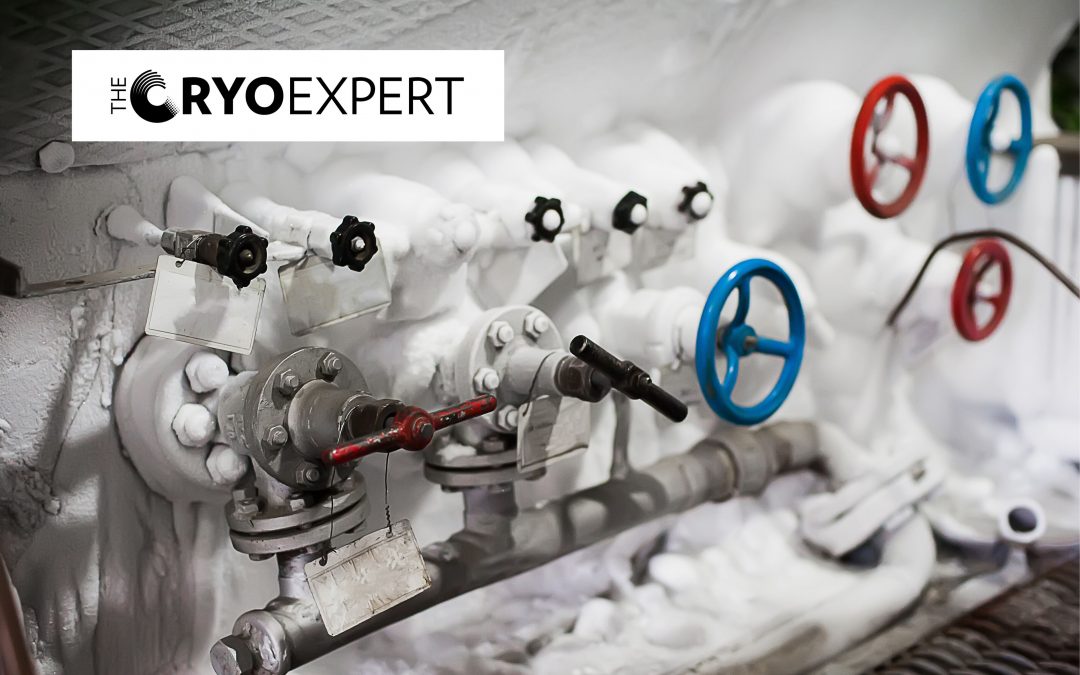
Cryogenic pumps and systems that build up pressure are really important for keeping liquids stable when they’re being transferred. The thing is, when you’re dealing with very low temperatures and liquids that can easily turn into vapor, it’s tough to design a pump that can handle it. So, engineers have to make sure the liquid doesn’t turn into vapor when it’s being sucked into the pump. This is a big challenge because the conditions are very sensitive and there’s not a lot of room for error. If the liquid turns into vapor, it can cause big problems, so the pump has to be designed just right to keep everything stable.
Cryogenic Pumps and Pressure Build-Up Systems: NPSH Considerations
When dealing with extremely cold temperatures, like those used in cryogenics, something called Net Positive Suction Head, or NPSH for short, can become a major issue. You might think that really low temperatures would always mean low vapor pressure, but that’s not always the case, especially when you’re working with things like liquefied natural gas, or LNG, and carbon dioxide, or CO₂.
As a result, even small pressure drops can trigger phase change. Engineers must ensure that NPSHa always exceeds NPSHr with sufficient margin.
To achieve this, designers typically:
- Increase static head (tank elevation)
- Minimize suction line losses
- Subcool the liquid when possible
- Cavitation vs Flashing in Cryogenic Pumps and Pressure Build-Up Systems
But when it comes to pumps, there are two things that can affect how they work: cavitation and flashing. Engineers need to know the difference between these two, because they can have different effects on how the pump performs.
When the pressure inside a pump gets too low, it can cause a problem called cavitation. This happens when the pressure drops below the point where the liquid turns into vapor. As a result, bubbles of vapor form and then suddenly collapse, which can damage the pump’s machinery. Flashing, by contrast, occurs when the fluid reaches saturation at the pump inlet. In this case, vapor forms without collapse, which leads to performance loss rather than direct damage.
In cryogenic systems, flashing is a major concern because it can easily happen when the thermodynamic margins are very small.
Pressure Build-Up Systems in Cryogenic Pumps and Pressure Build-Up Systems
In addition, Pressure Build-Up Systems (PBU) help maintain stable tank pressure and support pump operation.
Typically, a small vaporizer heats a portion of the liquid and generates gas. Then, this gas returns to the tank and increases pressure.
As a result, the system ensures:
- Adequate NPSHa
- Stable delivery pressure
- Controlled operation during withdrawal
- Design Insight
For example, losing only a few tenths of a bar in the suction line can trigger flashing. Therefore, engineers must tightly couple hydraulic design with thermodynamic analysis.
Takeaway
Ultimately, Cryogenic Pumps and Pressure Build-Up Systems require:
- Careful NPSH management
- Clear distinction between cavitation and flashing
- Proper sizing of PBU systems
In conclusion, cryogenic pumps do not simply move liquid. Instead, they operate at the limit of phase equilibrium and require precise engineering.

References and further reading
- European Industrial Gases Association (EIGA) — safety and standards publications
- ISO — international standards for cryogenic vessels and components
- NIST Cryogenic Technologies — cryogenic materials and properties data
- Chart Industries — cryogenic equipment and storage systems
Continue reading on The Cryoexpert
- Cryogenic Tank Pressure Control
- Cryogenic Vaporization Technologies
- Cold Box Design Principles
- Energy Efficiency in Cryogenic Systems
- Cryogenic Piping Design
Working on a cryogenic project?
Get expert engineering support for ASU, cryogenic storage, vacuum insulated piping, vaporization and regasification projects — from feasibility studies to commissioning. Tell us about your project and get a response within one business day.